

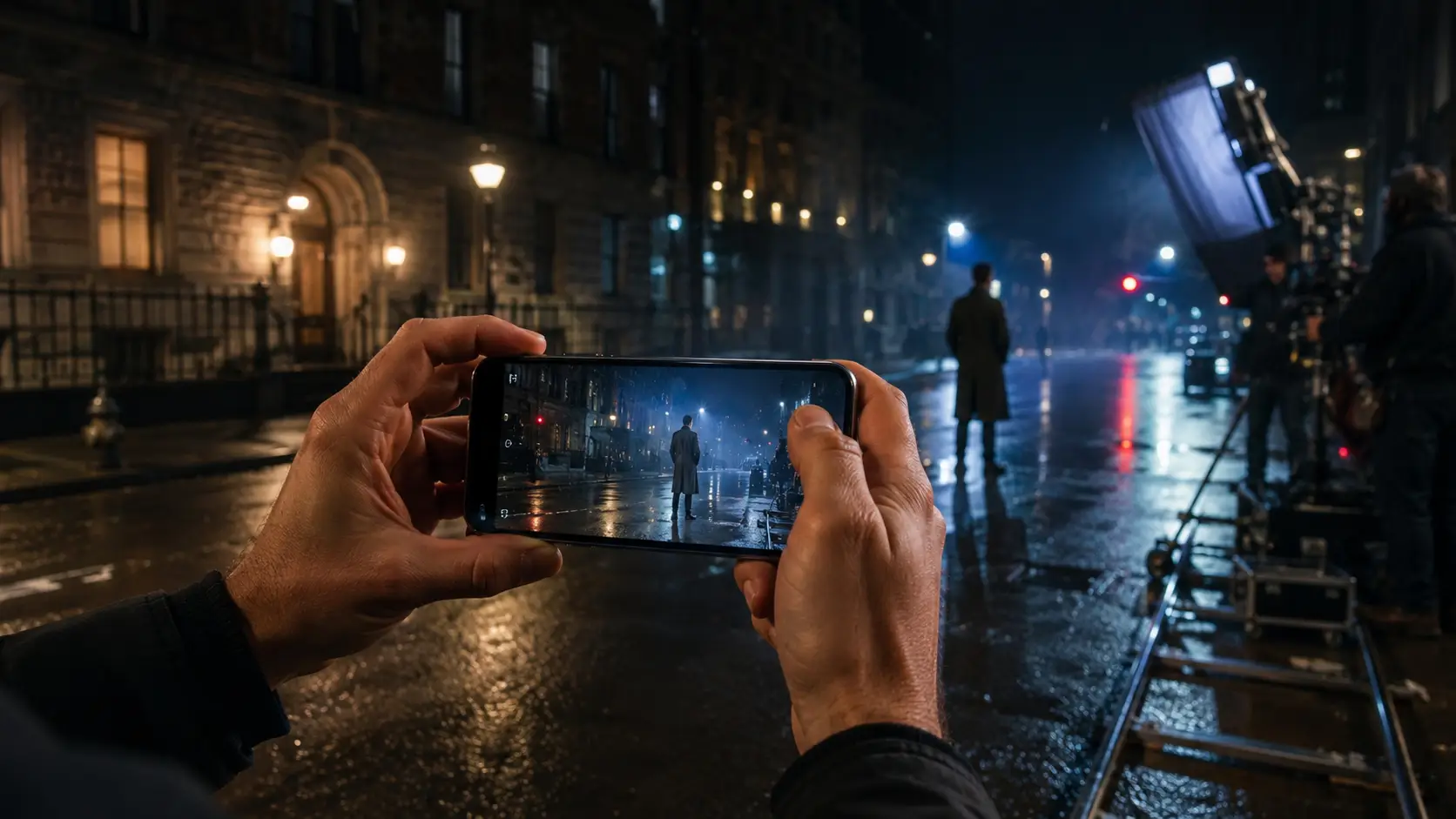
By the time 2026 arrived, the visual environment for creators had changed in ways few predicted. High-end imagery is no longer reserved for those with heavy crates of glass and metal sensors. You can now see that the equipment in your pocket dictates the quality of the stories told on screens large and small.
The iPhone 17 Pro has altered the expectations for what a mobile device can achieve in both professional and hobbyist circles. It serves as a tool for those who want to capture life without the weight of traditional gear. This change has encouraged a new group of artists to participate in visual storytelling without needing a massive budget.
The gap between mobile sensors and professional cinema rigs has officially closed. You no longer need to worry if a handheld device can match the depth and clarity of a studio camera. The projects released this year prove that the output from a phone is indistinguishable from traditional film stock when handled with care.
The iPhone 17 Pro: A New Benchmark for Mobile Excellence
The 2026 iPhone Photography Awards served as a turning point for the industry. These awards proved that the device is capable of capturing images that stand alongside the best work in the field. Judges and critics alike noted that the clarity and color science have reached a level that was previously impossible for a smartphone.
The “Shot on iPhone” initiative has moved past its beginnings as a simple marketing strategy to become a respected artistic category. It is now a label that signifies a specific type of creative freedom and intimacy. Directors and photographers use this label to show that they are choosing the device for its unique look and ease of use.
This movement has allowed high-end visual storytelling to reach everyone. You can start a production today with nothing more than the phone you already own. By removing the technical barriers to entry, the device has invited millions of people to become the next generation of filmmakers and visual artists.
10 Cinematic and Photographic Masterpieces of 2026
The creative community has used this hardware to produce some of the most striking visuals of the year. Below are the projects that defined the capabilities of the device in various environments.
1. Nido de Villanas (Nest of Villains)
This Mexican microdrama illustrates how a creator can turn a series of short videos into a cohesive and high-fidelity narrative. By utilizing the format of fourteen YouTube Shorts, the production team mirrored the dramatic flair of a traditional telenovela. You can see the crispness of the action and the intensity of the characters through the lens of a mobile device.
The crew relied on Action Mode to handle the fast movements and dramatic zooms required for the genre. This allowed them to capture chaotic scenes without needing a stabilizer or a complex rigging system. The result is a smooth and professional look that maintains the energy of a high-budget television production.
Because the project was shot entirely on the iPhone 17 Pro, the team could film in locations that would be difficult for larger cameras. This flexibility gave the drama a sense of realism and variety that helped it stand out in a crowded digital space. It proved that the device can carry an entire series on its own.
2. The 2026 Lunar New Year Short
Directed by Bai Xue, this film focuses on a heartwarming story that uses both live-action and stop-motion techniques. The compact size of the hardware allowed the director to place the camera in extremely tight spaces that a traditional cinema camera could never reach. This created an intimate perspective that brings the audience closer to the characters.
The stop-motion sequences required incredible precision and consistent color reproduction across thousands of frames. The 48MP sensor provided the necessary resolution to ensure every detail of the miniature sets remained sharp and clear. This blend of techniques shows how versatile the device has become for experimental filmmakers.
By using the phone for both types of cinematography, the production maintained a consistent visual language. The transition between the real actors and the animated figures is seamless. It demonstrates that the hardware can handle the technical demands of complex, multi-layered storytelling.
3. Radical Optimism Tour (Live in Chicago)
The team behind Dua Lipa’s Chicago performances used the device to capture the energy of a massive stadium concert. By using the 8x optical-quality zoom, the film crew could get close-up shots of the artist from the back of the pit. The images remained sharp and detailed despite the challenging strobe lighting and fast-paced choreography.
The production also utilized the Dual Capture feature to record the stage and the reaction of the crowd at the same time. This provided a unique perspective that allowed fans to see the concert from multiple angles in a single take. It changed how concert films are produced by offering a more immersive and connected experience.
The portability of the device allowed camera operators to move freely across the stage without getting in the way of the dancers. This resulted in dynamic footage that feels like it was captured by someone living in the moment rather than a static crew. The final film looks like it was shot on a rig costing tens of thousands of dollars.
4. Mumbai After Dark
As a part of the MAMI Select program, this project explored the deep shadows and vibrant colors of the city at night. Director Shreela Agarwal used ProRes RAW to ensure that every detail in the dark alleys and bright street lamps was preserved. The result is a moody and atmospheric piece that feels incredibly rich and detailed.
The sensor’s ability to pull information from the shadows without adding noise is a major achievement for mobile technology. You can see the texture of the old buildings and the reflection of the neon lights in the rain with perfect clarity. It proves that low-light environments are no longer a limitation for mobile creators.
The film serves as a technical showcase for the dynamic range of the new sensor array. It handles high-contrast scenes where bright lights and deep blacks exist in the same frame without losing detail in either. This allows for a level of cinematic expression that was once limited to high-end digital sensors.
5. Sweet Decision
This comedy short by Kirk Mihelakos was created to prove that a mobile device can produce a look worthy of a film enthusiast’s appreciation. By using an Apple Log workflow, the director was able to grade the footage to match a classic cinematic palette. The film has a texture and depth that makes it indistinguishable from a traditional indie movie.
The storytelling relies on visual gags that require perfect timing and sharp focus. The improved autofocus system ensured that every punchline landed because the camera never missed a beat. This reliability allowed the director to focus on the performance of the actors rather than the technical settings of the gear.
The final product was listed on Letterboxd, which is a rare feat for a film shot entirely on a smartphone. This inclusion points to the growing acceptance of mobile filmmaking in the broader cinema community. It shows that the quality of the story and the image are what matter most to viewers.
6. HERE (Madeira Travel Film)
Filmmaker Wessel Babtist traveled to Madeira to capture a meditative look at the natural environment. The project was shot in 4K ProRes Log to give the creator maximum control over the final color grade. The lush greens of the forests and the deep blues of the ocean look natural and vibrant.
The film demonstrates that a small device can mimic the look of expensive camera setups that cost thousands of dollars. You can see the fine details in the mist and the movement of the grass as the wind blows through the valley. It captures a sense of presence that makes the viewer feel like they are standing in the middle of the island.
Because the filmmaker did not need to carry a heavy bag of lenses, he was able to reach remote locations more easily. This allowed him to capture views that are often missed by traditional crews. The device proved to be the perfect companion for a solo creator looking for professional results in the wild.
7. Cinematic Hong Kong
The busy streets and neon-lit skyscrapers of Hong Kong provided the perfect backdrop for this technical exploration. The film focuses on the high-contrast urban environment where light and shadow are constantly moving. The device handled the flickering signs and moving traffic with ease, producing a clean and sharp image.
The street photography captured in this project illustrates the speed and accuracy of the triple-camera system. You can see the life of the city in every frame, from the steam rising from food stalls to the reflections in the glass buildings. The colors are deep and saturated, capturing the true essence of the city’s night scene.
By moving quickly through the crowds, the filmmaker was able to capture candid moments that would be impossible with a larger camera. The discreet nature of the phone allows for a more natural style of street cinematography. It shows how the device can be used to document the pulse of a city in real time.
8. The Ultimate Pro (Pirate Ship Sequence)
Apple produced a high-octane sequence featuring a pirate ship in the middle of a storm to demonstrate the ruggedness of the device. The footage remains steady and clear even as the actors are tossed around by simulated wind and water. It highlights the internal stabilization that keeps the image smooth during extreme physical activity.
The durability of the Ceramic Shield 2 was put to the test as the phone was exposed to mud, debris, and heavy water splashes. Despite the harsh conditions, the hardware continued to function and capture high-quality video without any issues. This makes it a reliable choice for filmmakers who shoot in unpredictable environments.
The sequence proves that you do not need to baby your equipment when you are in the middle of an action scene. The aluminum unibody and improved screen protection mean the phone can handle the bumps and drops of a busy set. It is a tool built for the reality of professional production.
9. The Side-by-Side Experiment
In a direct comparison, CNET placed the device against a Blackmagic Pyxis 6K cinema camera to see how it performed. The results showed that for many common shooting scenarios, the phone held its own in terms of color and detail. While the cinema camera offers more lens choices, the phone won in terms of portability and speed.
The experiment demonstrated that the depth of field manipulation on the mobile device has become incredibly natural. You can achieve a soft background blur that looks like it was created by an expensive prime lens. This allows for professional-looking portraits and product shots without needing specialized glass.
The findings from this test suggest that for most digital content, the difference in quality is minimal. For creators who need to move fast and stay light, the phone is often the better choice. It proves that the era of needing a massive camera for every job is over.
10. Indie Set Test
Cinematographer Luke Riether took the device onto a professional indie film set to see if it could serve as a primary camera. By pairing it with a Blackmagic ProDock, he was able to integrate the phone into a standard production workflow. The crew was surprised by how easily the phone fit into the existing system of monitors and lights.
The project focused on the use of ProRes RAW to give the post-production team the highest quality data possible. This allowed the colorist to match the phone’s footage with other cameras used on the set. It proved that the device is a legitimate option for independent filmmakers working on a tight budget.
The success of this test shows that the device is more than just a backup or a vlogging tool. It has the technical specs required to be a main camera for narrative storytelling. This opens up new possibilities for creators who want to tell their stories with a professional look.
Why the iPhone 17 Pro is Winning the 2026 IPPAWARDS
The criteria for the best mobile photos have changed to prioritize the ability to capture a feeling rather than just a clear image. Judges are looking for composition and lighting that show a deep understanding of the visual craft. The hardware makes it easier to focus on these artistic elements because the technical side is handled automatically.
The device allows for better moment-catching because it is always ready to shoot. You can pull it out of your pocket and capture a fleeting scene with the same quality as a planned studio shot. This immediacy is what leads to the most authentic and powerful images in the competition.
There is a clear trend toward “authentic” photography that looks professional but remains accessible to the average person. The winners of the awards often use the phone’s natural color science to create images that feel real and grounded. This balance of high technology and human perspective is why the device continues to lead the industry.
Hardware Innovations Driving These Visual Masterpieces
The internal components of the device provide the foundation for these creative successes. Here are the specific features that make this level of quality possible.
The Triple 48MP Camera Array
Every lens on the back of the device now features a high-resolution 48MP sensor. This means you no longer have to sacrifice quality when switching from the wide lens to the ultra-wide or the telephoto. Every shot you take has the same level of detail and color accuracy regardless of the focal length.
The consistency across the three lenses is vital for filmmakers who need to match shots in an edit. You can move from an expansive landscape shot to a tight close-up without any change in the look of the footage. This allows for a more professional and cohesive visual style in every project.
The high resolution also allows for more flexibility in post-production. You can crop into an image or a video frame and still have enough detail for a high-quality output. This is a game-changer for creators who need to deliver content in different aspect ratios for various platforms.
8x Optical-Quality Telephoto Zoom
The new tetraprism lens allows you to get closer to the action than ever before without losing clarity. This 8x zoom provides a perspective that is perfect for portraiture and capturing distant subjects. The images remain sharp and free of the digital noise that used to plague long-distance mobile shots.
For concert and sports photographers, this feature is essential. You can capture the emotion on a performer’s face or the intensity of an athlete from the stands. The lens handles the compression of the background in a way that feels cinematic and intentional.
The telephoto lens also benefits from the improved stabilization system. Even when zoomed in all the way, the image remains steady and easy to frame. This allows you to capture professional-grade shots from a distance without needing a tripod or a steady hand.
Vapor Chamber Cooling Technology
Long-form cinematic recording requires a lot of processing power, which can lead to heat buildup. The new vapor chamber cooling system moves heat away from the processor to keep the device running at peak performance. This prevents the phone from slowing down or shutting off during an important shoot.
Filmmakers can now record in high-bitrate formats like ProRes for extended periods without worry. This is a meaningful improvement over previous models that would sometimes throttle the camera under heavy use. It ensures that the device is reliable for professional work on a busy set.
The thermal management also helps maintain the health of the battery and other internal components. By keeping the device cool, the system ensures that you can shoot all day without a drop in quality. It is the secret ingredient that allows the phone to behave like a dedicated cinema camera.
Aluminum Unibody & Ceramic Shield 2
The physical build of the device is designed to survive the demands of a creative life. The aluminum unibody provides a strong frame that can handle the stress of being mounted to rigs and cars. It feels solid in the hand and provides the protection needed for the sensitive internals.
The Ceramic Shield 2 is the toughest glass ever put on a mobile device. It offers better resistance to scratches and drops, which is vital when you are shooting in the field. You can focus on the shot instead of worrying about the safety of your screen.
This ruggedness allows you to take the phone into environments that would be dangerous for other equipment. Whether you are shooting in a dusty desert or a rainy forest, the device is built to keep working. It gives you the confidence to push your creative boundaries in any location.
Dual Capture Capability
Recording with the front and back sensors at the same time has opened up new ways to tell stories. This feature is especially popular for documentaries and vlogs where the reaction of the creator is just as important as the event itself. It creates a more engaging and multi-dimensional narrative for the viewer.
The system handles the two video feeds with perfect synchronization and high quality. You can choose how to display the two angles in your final edit, giving you more creative control over the layout. It makes the device a powerful tool for capturing interviews and live events.
This capability also reduces the need for multiple cameras on a small production. You can capture two perspectives with a single device, saving time and money in the process. It is another example of how the hardware is designed to simplify the creative workflow.
Professional Shot on iPhone Tips for 2026
Achieving these results requires more than just pointing the camera and pressing a button. Below are the strategies professionals use to get the most out of their mobile equipment.
Mastering the Apple Log & ProRes Workflow
Using Apple Log allows you to capture a flat image that contains a massive amount of data in the highlights and shadows. This gives you the same flexibility as a professional film scan when you enter the color grading stage. You can create a custom look for your project that goes far beyond the standard mobile filters.
Because these files are very large, you should use an external SSD connected to the USB-C port. This allows you to record hours of high-quality footage without filling up the internal storage of your phone. It also makes it easier to transfer the files to your computer for editing.
Understanding the balance between file size and quality is key to a successful production. You should choose the ProRes format that fits your final delivery needs to ensure you have the best results. With the right workflow, your mobile footage will look like it was shot on a high-end cinema rig.
Leveraging the Blackmagic Camera App
While the built-in camera app is great for quick shots, professional filmmakers often turn to third-party software. The Blackmagic Camera app gives you manual control over settings like shutter angle, ISO, and white balance. This level of control is essential for matching the look of traditional film.
The app also provides visual tools like zebras and focus peaking to help you get the perfect shot. You can ensure that your exposure is correct and your subject is in sharp focus before you hit record. These tools are the same ones used by professional cinematographers on large sets.
By using a manual app, you can prevent the phone from making automatic adjustments that might ruin a shot. You can lock your settings so that the look of your film remains consistent from start to finish. It is a vital part of a professional mobile filmmaking kit.
Lighting for the 48MP Sensor
The 48MP sensor is very sensitive to light, but you still need to understand how to use it to your advantage. During the “Golden Hour,” the sensor’s dynamic range allows you to capture the warm light of the sun without blowing out the sky. It creates a natural and beautiful look that is perfect for cinematic storytelling.
In low-light situations, you should look for natural light sources to add texture to your scene. Even a small lamp or a street light can provide enough illumination for the sensor to capture a detailed and clean image. The key is to work with the light rather than fighting against the shadows.
Avoid using the built-in flash for professional shots, as it can create a flat and unflattering look. Instead, use external LED panels or reflectors to shape the light and create a more professional aesthetic. Good lighting is what separates a casual snapshot from a cinematic masterpiece.
Using LUTs and PowerGrades
Color grading is where the magic happens for mobile filmmakers. By using LUTs (Look-Up Tables), you can instantly apply a professional color palette to your log footage. This helps you see the potential of your shots early in the editing process.
For a more custom look, you can use PowerGrades in software like DaVinci Resolve. This allows you to adjust specific colors and tones to create a unique visual style for your film. You can make your mobile footage look like a Hollywood blockbuster with a bit of time and effort in post-production.
The 10-bit color depth of the ProRes files ensures that your grades look smooth and professional. You won’t see the banding or artifacts that often occur with lower-quality video formats. This makes the phone a serious tool for creators who care about the final look of their work.
Stability Without a Gimbal
The internal stabilization of the device has become so good that you often don’t need a gimbal for smooth shots. By using Action Mode, you can run or move quickly while the camera remains perfectly steady. This allows for a more natural and fluid style of filmmaking.
To get the best results, you should practice your movement to minimize sudden jerks or bounces. Even with digital stabilization, a steady hand and a smooth gait will produce a better image. You can also use the weight of the phone to your advantage by holding it with both hands.
For static shots, you can lean against a wall or use a small tripod to ensure the image is perfectly still. This is especially important for time-lapse or long-exposure photography. With a few simple techniques, you can capture professional-grade stability in any situation.
The Role of the Apple Ecosystem in Creative Production
The power of the phone is multiplied when it is used with other devices like the M5 MacBook Pro and the iPad Pro. You can shoot a scene on your phone and then immediately see it on the larger screen of your iPad for review. This real-time feedback is vital for ensuring that you have captured the shot you need.
The transition from shooting to editing is seamless thanks to the high-speed connection of the USB-C port and AirDrop. You can move massive 4K files to your computer in seconds, allowing you to start the editing process right away. This speed keeps the creative momentum going and allows you to finish your projects faster.
Cloud services also play a major role in managing your files across multiple locations. You can share your footage with team members around the globe, allowing for a truly remote and flexible production workflow. The ecosystem is designed to support the way modern creators work.
Comparing Mobile to Traditional Cinema Rigs
When you look at the side-by-side results, it is clear that the phone wins in terms of portability and ease of use. You can get the camera into places that would be impossible for a large cinema rig, leading to more creative shots. The ability to manipulate depth of field digitally has also narrowed the gap in visual quality.
The saying that the best camera is the one you have with you has never been more true. Because the phone is always in your pocket, you can capture professional-quality moments that would otherwise be lost. This accessibility is what is driving the increase in high-quality content on social media and beyond.
In 2026, we are seeing the emergence of film festivals that focus specifically on mobile productions. These events celebrate the unique style and intimacy that comes from shooting on a phone. They provide a space for a new generation of filmmakers to show their work to a larger audience.
The Future of iPhone 17 Pro Photography
Artificial intelligence and computational photography will continue to play a larger role in how images are captured and processed. We can expect to see even more natural textures and a shift away from the “filtered” look of the past. The goal is to make the phone’s output feel as organic and cinematic as possible.
The device is inspiring a new generation of creators who might not have had access to traditional equipment. By putting a professional-grade camera in their pockets, the technology is opening doors for more diverse voices in the film industry. This will lead to new styles of storytelling that we haven’t seen before.
As the hardware continues to improve, the line between mobile and professional gear will continue to blur. We may soon reach a point where the device you use matters less than the story you are telling. The phone is no longer just a communication tool; it is a complete creative studio.
