


You likely remember when high-end visual effects were reserved for blockbuster movie studios with massive budgets. Today, these sophisticated manipulation tools have moved into the hands of criminals through cheap subscription models. This transition means that anyone with an internet connection can now create convincing fake media.
The danger used to come primarily from well-funded state actors targeting high-level government secrets. Now, even a beginner can use these services to target your personal or business accounts. This widespread availability has turned a specialized skill into a common threat for everyone online.
Understanding how these automated models work is the first step toward protecting your digital identity. This article explains why the subscription model for synthetic media has become so dangerous. You will learn how to spot these attacks and protect your assets in 2026.
What is Deepfake-as-a-Service (DaaS)?

DaaS is a cloud-based system that allows users to generate synthetic video and audio for a recurring fee. These platforms provide all the necessary tools through a web browser or a simple mobile app. You can now rent the power of advanced neural networks without owning a single server.
This model follows the same structure as the ransomware kits that disrupted businesses in previous years. It provides criminals with technical support, regular software updates, and easy payment systems. The professional nature of these services makes them highly scalable for large-scale fraud operations.
You no longer need to understand complex code or own expensive graphics cards to produce high-quality fakes. The service provider handles all the heavy processing on their own remote hardware. This means the barrier to starting a sophisticated fraud campaign is now purely financial.
5 Core Technologies Powering the DaaS Ecosystem
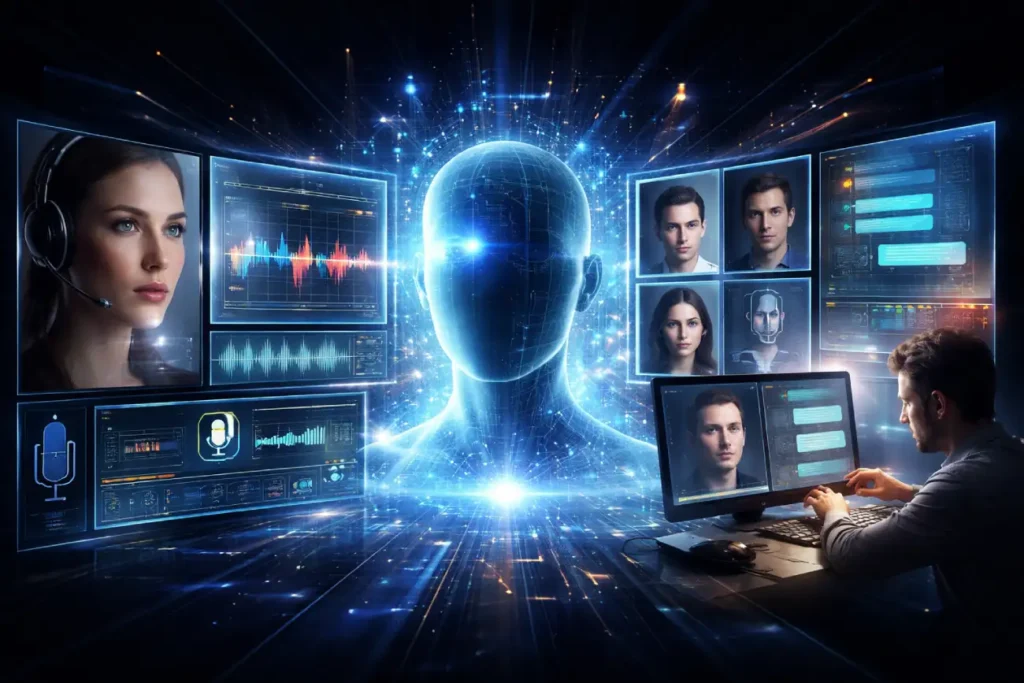
Modern synthetic media relies on several integrated technical components that work together to deceive the human eye. Below are the primary systems that make these convincing attacks possible in 2026.
Real-Time Face-Swapping Overlays
Attackers use these overlays to project a digital mask onto their own face during live video calls. This allows a criminal to look exactly like your CEO or a trusted family member while speaking to you. The software tracks their movements so the digital mask stays perfectly in place.
These systems have improved to the point where they can handle rapid head turns and changing light conditions. You might notice a slight flicker, but most people miss it during a high-pressure conversation. The technology has become a favorite tool for bypassing traditional video verification methods.
Most of these tools are now available as simple plugins for popular meeting platforms. A user simply selects a target image, and the AI maps the features onto their own face instantly. This capability turns a standard webcam into a weapon for identity theft.
High-Fidelity Voice Cloning
Voice cloning technology can now replicate your unique vocal signature using only a few seconds of source audio. The software analyzes your pitch, accent, and even the way you breathe between words. It creates a digital replica that is indistinguishable from your actual voice on a phone line.
Criminals gather this source audio from your public social media videos or company webinars. They only need a tiny sample to build a model that can say anything they want. Once the model is ready, they can use it to make fraudulent requests to your bank or colleagues.
The cloned voice can even express emotions like stress or excitement to make the scam more believable. This adds a layer of psychological pressure that often causes victims to skip normal security steps. You are much more likely to help someone if you recognize their voice and hear their distress.
AI-Driven Lip-Syncing and Expression Matching
This technology ensures that the mouth movements of a digital character match the words being spoken perfectly. It eliminates the robotic look that used to make fake videos easy to identify. The AI analyzes the audio and generates the corresponding facial movements in milliseconds.
The software also simulates natural expressions such as blinking, eyebrow raises, and subtle smiles. These micro-expressions make the digital persona feel alive and human rather than static. This level of detail is what allows these fakes to pass through many automated liveness checks.
By matching the synthetic audio with the video frames, the tool creates a seamless experience for the viewer. You see a person who appears to be thinking and reacting to your questions in real time. This makes the interaction feel authentic, which is exactly what the attacker wants.
Generative Image Synthesis for “Frankenstein” Personas
Criminals now use AI to generate entirely new faces that look human but have never existed. These “Frankenstein” personas are built using parts of real people’s data mixed with synthetic features. They are used to create fake accounts that are very difficult for security teams to track.
These synthetic identities are perfect for long-term fraud because there is no real person to complain about identity theft. The AI can generate thousands of unique faces for use in massive social media bot nets. Each face looks different, which prevents automated systems from flagging them as duplicates.
Banks and cryptocurrency exchanges are particularly at risk from these generated personas during the signup process. The images are high enough quality to pass as real government ID photos in many cases. This allows criminals to open accounts and move money without using their own identities.
Automated Script and Tone Modulation
New tools can now adjust the urgency and emotional weight of a message to increase its impact. The AI suggests specific words and tones that are most likely to trigger a quick reaction from the victim. This makes the social engineering attempt much more efficient than a standard script.
For example, an attacker can set the software to sound apologetic or demanding depending on the situation. The system can even change the tone mid-conversation if the victim starts to become suspicious. This flexibility allows the criminal to maintain control over the interaction at all times.
Automated scripts also help attackers manage multiple conversations at once without losing track of the narrative. The system keeps the story consistent across different platforms like email, voice, and video. This creates a multi-channel attack that feels very convincing to the target.
The Democratization of Deception: Why DaaS is a Game Changer

A monthly subscription costing about one thousand dollars can lead to millions of dollars in stolen funds. This small investment gives a criminal access to tools that were once worth millions to develop. The high return on investment makes this an attractive path for organized crime groups.
The dark web now features marketplaces that look and feel like legitimate software stores. These sites offer affiliate programs where the service provider takes a small cut of every successful heist. They even provide twenty-four-hour customer support to help hackers resolve technical issues with their fake media.
Attackers find the raw materials for these fakes by scraping your public profiles on professional or social networks. Every video you post provides more data for their voice and face models. This means your digital footprint is now the primary source of fuel for AI-powered fraud.
Phishing 3.0: How DaaS Reinvents Social Engineering

The traditional methods of tricking people through simple emails are being replaced by much more realistic simulations. Here are the ways that DaaS is changing the nature of digital deception in 2026.
Business Email Compromise (BEC) 2.0
BEC 2.0 moves far beyond simple spoofed headers and fake email addresses. An attacker now uses a cloned voice to call a finance employee and confirm a fake wire transfer. The employee hears their boss’s voice and assumes the request is legitimate.
This method bypasses many of the security filters that companies have built to catch suspicious emails. A phone call feels more personal and urgent, which often leads to mistakes. Most people do not expect a phone call to be a sophisticated AI forgery.
These attacks are often timed to happen when the real executive is traveling or in a meeting. This prevents the employee from easily reaching out to verify the request through other means. The combination of a fake voice and a real sense of urgency is very successful.
Hyper-Realistic Vishing (Voice Phishing)
Scammers use real-time voice modulation to change how they sound during a live phone call. They can change their gender, accent, or age to match the persona they are trying to project. This makes it much easier to impersonate a trusted authority figure like a bank representative.
The technology has reached a point where it can hide the natural background noise of a call center. This makes the caller sound like they are in a quiet, professional office environment. You are more likely to trust a clear and calm voice than one with loud distractions.
Many of these tools also include automated response systems that handle common questions instantly. The attacker just watches the conversation and intervenes only when necessary. This allows a single person to run dozens of vishing calls simultaneously.
Video Conference Hijacking and Impersonation
We have seen cases where entire meetings were filled with deepfake participants to trick a single employee. In one famous incident, a worker transferred twenty-five million dollars after a video call with several fake executives. Every person on that screen looked and sounded like a real member of the company.
These hijacking attempts often use stolen meeting links to join official company calls. Once inside, the attacker uses an overlay to look like a senior manager who is having technical issues. This excuse covers any small glitches in the AI-generated media.
The psychological impact of seeing multiple faces you recognize is incredibly strong. It is very hard for an individual to stand up against a group of people they trust. This group-based deception is one of the most dangerous trends in modern cybercrime.
Pretexting via Digital Puppetry
Pretexting involves building a long-term story to gain your trust before asking for sensitive information. An attacker might send you a video message on a social app followed by a voicemail in the same voice. This consistency across different apps makes the fake identity feel real.
They use these digital puppets to apply for jobs or build relationships with employees over several weeks. Once the trust is established, they ask for access to internal systems or sensitive data. The long-term nature of the attack makes it very hard to detect.
These puppets can even attend social events or virtual happy hours to blend in with the team. They use real-time face and voice tools to interact with others just like a normal person. By the time the fraud is discovered, the attacker has already disappeared with the data.
Credential Theft through AI-Simulated “IT Support”
You might receive a video call from someone who looks exactly like your company’s IT support technician. They explain that there is a security problem with your account and ask for your password. Because you recognize their face, you feel safe giving them the information they need.
These attackers often use the names and faces of actual IT staff members found on the company website. They simulate the internal help desk environment to make the call seem more official. This tactic is specifically designed to steal multi-factor authentication codes.
Once the attacker has your codes, they can bypass almost any security layer in the organization. They often stay in the system for months, quietly collecting data without being noticed. This method is much more successful than sending a fake login link.
The Rise of Biometric Bypass Attacks and Identity Theft
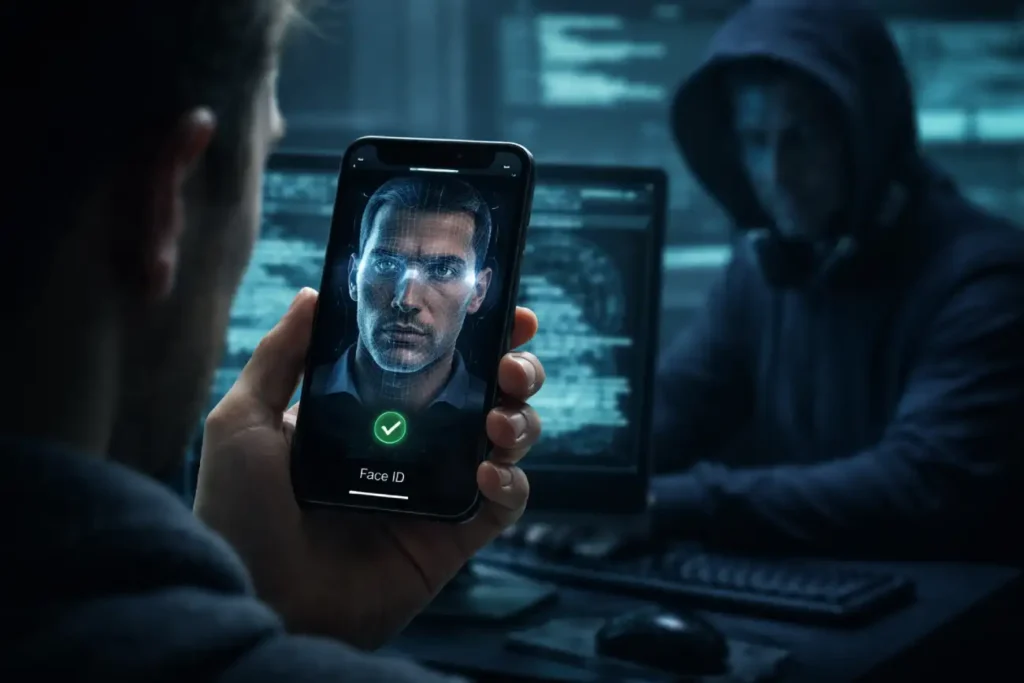
DaaS tools are now specifically designed to trick the biometric sensors on your smartphone and computer. These systems use high-resolution depth mapping to fool the cameras that check for your physical presence. This means your face is no longer a perfect key for your digital life.
In 2026, criminals combine real personal details with AI-generated media to create synthetic identity fraud 2026. These personas have credit scores, social media histories, and video evidence of their existence. This makes it almost impossible for banks to tell the difference between a real customer and a bot.
The protocols that banks use to verify users are failing under the weight of these fakes. A criminal can now present a fake video of themselves holding a real ID card in front of a live camera. This vulnerability is causing a massive rethink of how financial institutions verify identity.
Market Trends: The Escalating Cost of Synthetic Fraud

We expect a seven hundred percent increase in deepfake fraud attempts by the end of 2025. This rapid growth is driven by the ease of use and the low cost of the necessary tools. Every company must prepare for these attacks to become a daily occurrence.
AI-assisted attacks have contributed to billions of dollars in losses across international markets. These costs include not just the stolen money but also the price of recovering from a data breach. Many small businesses never fully recover from a successful deepfake heist.
Renting a top-tier corporate impersonation tool currently costs about one thousand dollars per month on the dark web. Initial access to a large company’s network can be sold for several thousand dollars more. These prices show that cybercrime has become a highly organized and profitable industry.
The Legal Frontier: Navigating the “NO FAKES” Act and Beyond
New laws like the NO FAKES Act are being introduced to give you legal rights over your digital likeness. These rules allow individuals to sue anyone who uses their voice or face without permission. It is a necessary step to protect people in a world where identity is easily copied.
Proving that a criminal intended to cause harm can be very difficult in international courts. Many of these attackers operate from countries that do not have extradition treaties. This legal gap makes it hard to bring deepfake creators to justice.
New global standards are requiring AI companies to add digital watermarks to all synthetic media. These provisions aim to make it clear when a video or audio file has been generated by a machine. However, many underground services simply ignore these rules to keep their users anonymous.
How Can You Stay Secure?

Protecting yourself from these advanced threats requires a mix of new technology and improved internal processes. Below are the most effective ways to defend your identity and your organization in 2026.
Establishing Out-of-Band (OOB) Verification
You must verify every high-value request using a separate communication channel that was agreed upon in advance. If you receive a video call asking for money, you should call the person back on their known mobile number. This simple step can stop almost any deepfake attack before it succeeds.
Companies are now creating secret safe words that only authorized employees know. These words are never written down and are used to confirm identity during urgent situations. This human-centered layer of security is your best defense against AI.
Never trust a request just because it comes through an official company app. These accounts can be compromised and used to send convincing but fake messages. Always move the conversation to a different platform to confirm the details.
Advanced Liveness Detection and Multi-Modal Biometrics
Security systems are moving beyond simple face scans to look for biological signals like heart rate and blood flow. These signals are much harder for a 2D deepfake overlay to replicate correctly. This technology adds a layer of physical proof to the digital verification process.
Some systems now use 3D depth sensing to ensure that the person on the camera is a real human being. They look for the subtle movements of the skin and the way light reflects off the eyes. These details are currently very difficult for AI to fake in real time.
Multi-modal biometrics combine your face, voice, and even your typing patterns to create a unique profile. If one of these factors does not match, the system will block the access attempt. This makes it much harder for an attacker to succeed with just one piece of fake media.
Deepfake Readiness and Social Engineering Simulations
You should train your staff to recognize the small errors that often appear in AI-generated videos. These glitches include unnatural blinking or strange shadows around the mouth and eyes. Developing an eye for these details can help your team spot a fraud attempt early.
Regular simulations can help employees practice how to react when they encounter a suspicious video call. These tests make the threat feel real and help people remember their training during an actual attack. Experience is often the best teacher when it comes to digital security.
Many organizations are now including vishing and video impersonation in their standard security audits. This ensures that every part of the company is prepared for a multi-channel attack. Awareness is the most powerful tool you have against social engineering.
Deploying Agentic AI Defense Systems
You can use specialized AI software to monitor your calls and detect robotic patterns in real-time. These systems look for the tiny pauses and unnatural tones that occur during voice cloning. They can alert you to a fake voice before you even realize something is wrong.
These defensive agents work in the background of your communication apps to provide a safety net. They analyze the metadata and the audio quality to find signs of manipulation. This AI versus AI method is becoming a standard part of corporate security.
As deepfakes get better, these defensive tools will become even more important for maintaining trust. They provide an objective check on the media you are consuming every day. You can rely on these systems to catch the things that human senses might miss.
Zero-Trust Architecture for Identity Management
A zero-trust framework means that you never assume a person is who they claim to be based on sight alone. Every request for access must be verified through multiple independent factors. This mindset is essential in an age where seeing is no longer believing.
You should limit the permissions that any single employee has to move large amounts of money or data. This ensures that even if one person is tricked, the damage to the company is contained. Security is about building layers of protection rather than a single wall.
Identity management systems now include continuous verification that checks the user’s status throughout a session. If the behavior changes or a new device is detected, the system asks for re-authentication. This prevents an attacker from staying in your system for long periods.
The Final Word: Reclaiming Digital Trust
The emphasis of cybercrime has moved from technical hacking to the direct manipulation of human identity. Attackers are using your own face and voice against you to steal your assets. This makes social engineering the most dangerous threat in the modern tech environment.
Your new motto for 2026 should be to verify every digital interaction before you offer your trust. Do not let the realism of AI media cloud your judgment during important decisions. Always take the time to confirm the facts through a second, independent source.
You should take a moment to review how much of your personal data is available to the public. Reducing your digital footprint makes it much harder for criminals to build a convincing model of you. Protecting your identity starts with being careful about what you share online.
