

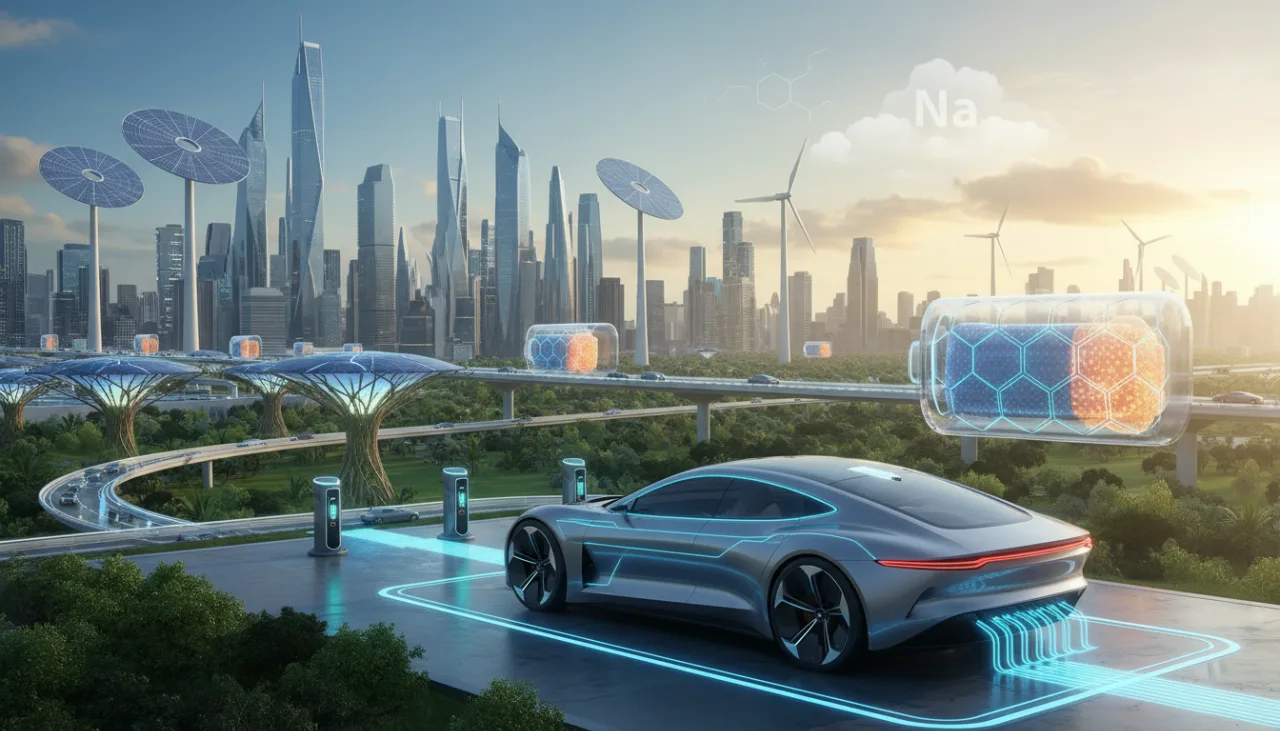
The transition away from lithium dominance is gaining speed as sodium-ion technology becomes a viable choice for the auto industry. While lithium has powered the first wave of electric mobility, manufacturers are searching for materials that are easier to find and cheaper to process. Salt-based batteries provide a different chemical foundation that helps solve many of the supply chain problems currently facing the market.
You can look to 2026 as the commercial turning point for this transition. While previous years focused on laboratory testing and small pilot programs, the coming year represents the move toward large-scale manufacturing and consumer availability. This timing is important because it matches the demand for lower-priced electric vehicles that can reach a wider range of drivers.
The main goal for sodium technology is to provide a reliable energy source for the logistics sector and the affordable vehicle market. Small city cars and delivery vans do not always need the extreme range that lithium provides, but they do require low costs and high safety. Sodium fits this requirement well, offering a path to electrification for businesses and families who found previous options too expensive.
Sodium-Ion Battery vs. Lithium-Ion
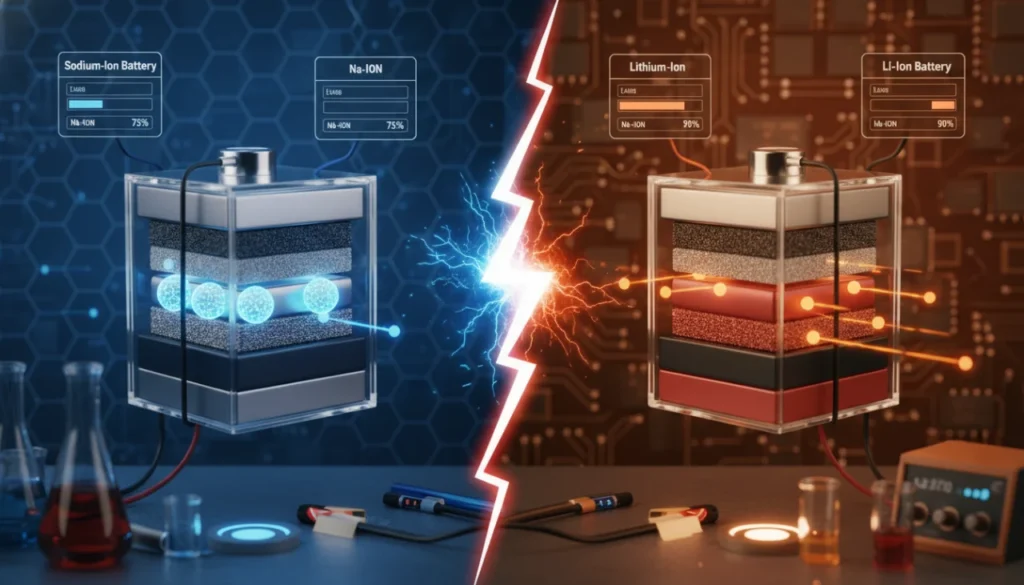
Comparing these two chemistries reveals why salt is gaining traction in the current market. Below are the technical differences that define how these batteries perform in the real world.
Temperature Resilience and Cold Weather Efficiency
One of the most difficult issues with current electric cars is how they perform when the temperature drops. Lithium batteries often lose a large portion of their range in cold climates because the internal chemistry slows down. You might notice your car takes longer to charge or runs out of power much faster during the winter months.
Sodium-ion batteries handle these conditions much better because they maintain about 90% of their capacity even at -20°C. This makes them a strong choice for people living in northern regions where winter performance is a necessity. You can rely on the vehicle to start and perform consistently without the sharp drop in efficiency that lithium users often face.
Charging Speeds and Logistics Turnaround
Speed is another area where sodium technology stands out from the competition. These batteries can reach an 80% charge in about 12 to 15 minutes, which is faster than most current lithium-iron-phosphate options. For a busy driver, this means less time waiting at a station and more time on the move.
Energy Density Trade-offs
You should be aware that sodium batteries currently have lower energy density than high-end lithium cells. While top-tier lithium-ion batteries can reach over 250 Wh/kg, sodium is currently limited to the 160–185 Wh/kg range. This means a sodium battery of the same weight will carry a car a shorter distance than a lithium one.
This limitation positions sodium for specific uses rather than for every type of vehicle. It is perfect for urban cars that travel short distances or for city-based delivery routes where charging is easy to find. If you are looking for a long-range luxury vehicle meant for cross-country travel, lithium remains the primary choice for now.
Thermal Stability and Operational Safety
Safety is a top priority for any battery technology, and sodium offers a lower fire risk than traditional lithium-ion cells. The chemistry is inherently more stable, which means it is less likely to experience thermal runaway if damaged or overcharged. This provides peace of mind for both the driver and the manufacturer.
Cycle Life and Long-Term Durability
The longevity of a battery is measured in cycles, and sodium technology is showing great promise in this area. Some of the latest designs are rated for 6,000 cycles or more, which is a high standard for any battery. This means the battery could easily last for over a decade of daily use without needing a replacement.
Why Sodium is the Cheapest EV Battery Technology
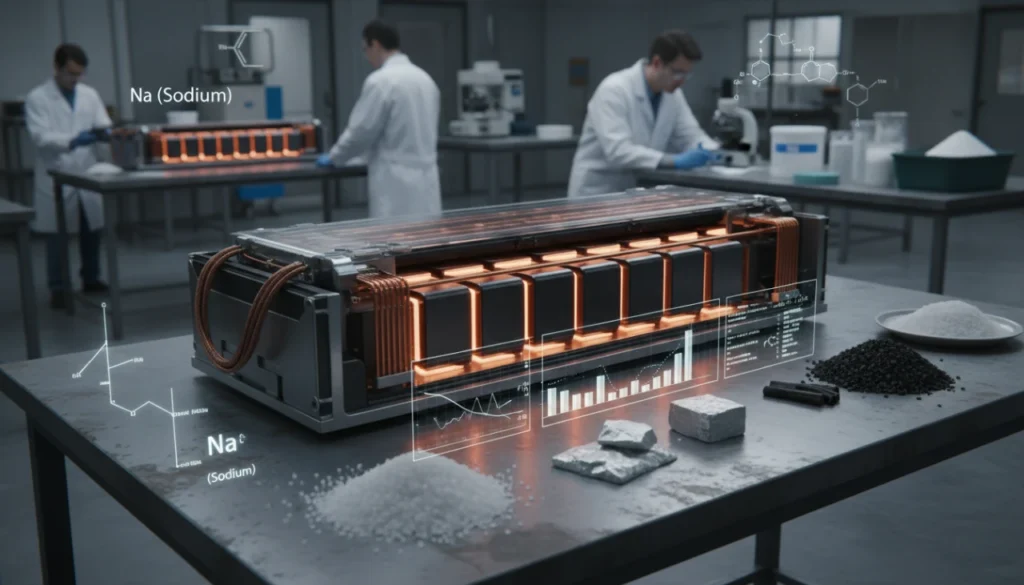
The abundance of raw materials is the primary reason why sodium is so much more affordable than lithium. You can find sodium in common salt, and it is roughly 1,400 times more available than the lithium found in the earth’s crust. This massive supply ensures that manufacturers do not have to compete for a scarce resource, which keeps the price of the raw material low and stable.
Manufacturing savings also come from the internal components of the battery. Sodium does not react with aluminum in the same way lithium does, which allows manufacturers to use aluminum current collectors for both the positive and negative sides. This replaces the expensive copper used in lithium batteries, leading to a total cost reduction of 20% to 40% per pack.
Economic stability is a significant advantage for companies that choose this technology. The price of lithium is famous for its volatile spikes, which can make it hard for car companies to plan their budgets or set long-term prices. Because salt is a commodity found everywhere, sodium protects manufacturers from these sudden price changes and helps keep car prices predictable for you.
The ultimate goal for the industry is to reach a price point of $40/kWh. At this level, electric vehicles could reach price parity with internal combustion engine cars without the need for government subsidies. This milestone would change the market by making green mobility the most logical financial choice for every household.
Sustainable Battery Innovations: The Ethical Edge of Sodium
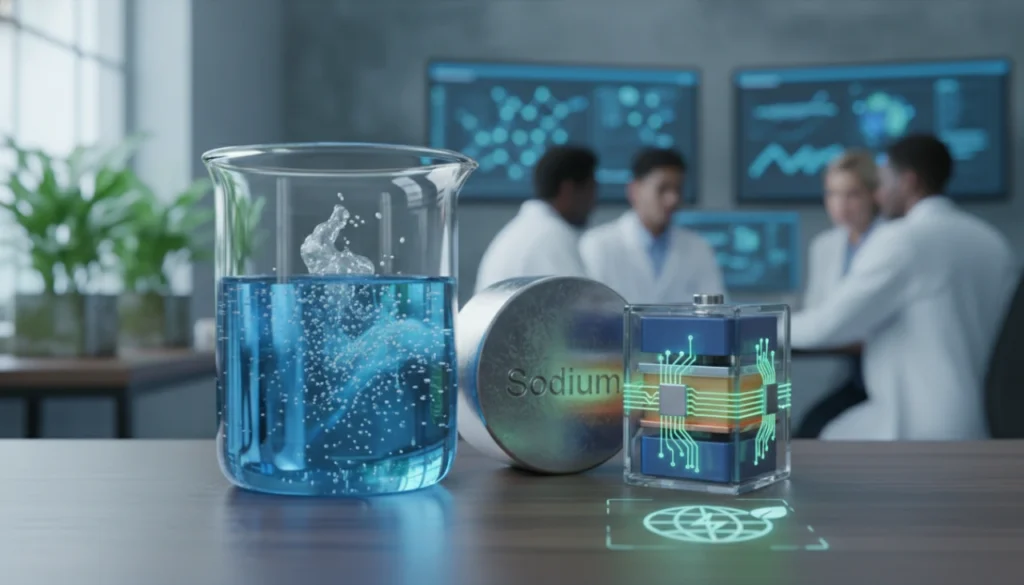
Moving away from scarce materials provides a massive environmental advantage for the automotive industry. Below is the breakdown of why this technology is a cleaner choice for the planet.
Eliminating Conflict Minerals
The removal of cobalt and nickel from the battery chemistry addresses one of the most serious ethical problems in the modern supply chain. You likely know that these minerals are often mined in regions with poor human rights records and dangerous working conditions. By using sodium and iron, manufacturers can build batteries without relying on these problematic sources.
Drastic Reduction in Carbon Footprint
The manufacturing process for sodium-ion cells is much cleaner than the process used for standard lithium batteries. Data suggests that producing these cells results in a 40% to 54% lower carbon footprint. This is a massive improvement for an industry that is trying to reach net-zero emissions.
A large part of this reduction comes from the simplified extraction and processing of the materials. Because the ingredients are easier to find and require less intense refining, the energy used in the factory is much lower. This ensures that the vehicle is truly green from the moment it leaves the assembly line.
Water Conservation in Extraction
Lithium extraction is a water-heavy process that often takes place in arid regions, leading to concerns about local water supplies. In contrast, harvesting sodium and iron is much more sustainable and uses significantly less water. This helps protect local ecosystems and ensures that battery production does not compete with the needs of local communities.
Toxicity and End-of-Life Disposal
Sodium-ion batteries are made from non-toxic materials, which makes them much safer to handle at the end of their life. Unlike some other chemistries that contain heavy metals or toxic electrolytes, sodium components are relatively harmless. This reduces the risk of soil or water contamination if a battery is not managed correctly after use.
Circular Economy and Recyclability
The simpler design of sodium batteries makes them much more cost-effective to recycle. Because they use aluminum instead of copper and do not contain expensive cobalt, the process of separating the materials is less complex. This encourages companies to invest in recycling plants, creating a closed-loop system where old batteries become new ones.
2026: The Year of Mass Market Integration

The era of prototype testing is ending as the industry prepares for 2026. This is the year when Gigafactory scaling begins in earnest, moving from small batches to millions of units per year. You will see a major increase in the availability of these batteries as new production lines in Asia and Europe start to reach their full capacity.
Several first-mover vehicles are already prepared to enter the global market. Companies like Changan, JMEV, and BYD are launching compact electric vehicles that use sodium technology to keep the price near $10,000. These cars are designed to bring electric mobility to the mass market, providing a reliable and modern option for people who were previously priced out of the EV transition.
Key Sodium Battery Startups and Global Titans to Watch
Major players are already building the infrastructure to support mass production. You should keep an eye on these organizations as they lead the way in salt-based energy.
CATL and the Second-Generation Naxtra Cells
CATL is currently the world leader in battery production, and their second-generation Naxtra cells are a major breakthrough. These cells have reached an energy density of 185 Wh/kg, which puts them on par with many of the lithium-iron-phosphate batteries used today. This development makes sodium a serious competitor for passenger cars, not just small scooters or stationary storage.
BYD and the “Blade” Sodium Architecture
BYD is using its famous “Blade” battery design to create a new version powered by sodium. This architecture is known for its safety and space efficiency, and the sodium version focuses on extreme longevity. They have shared data suggesting a cycle life that could support up to 5 million miles of driving over the life of the battery.
Tiamat and Europe’s High-Power Ambitions
Tiamat is a French company that is taking a different path by focusing on high-power applications and hybridization. They are building a major Gigafactory in Amiens to produce cells that can discharge and recharge very quickly. This makes their technology a great fit for hybrid vehicles that need a quick burst of energy rather than a large storage capacity.
Faradion and the UK-India Nexus
Faradion was one of the first companies to focus entirely on sodium-ion technology, and their acquisition by Reliance Industries has given them a massive boost. This partnership is positioning sodium as a primary solution for the Global South, where affordable energy is a top priority. They are focusing on both transport and stationary storage to provide a complete energy ecosystem.
The UK-based research team continues to improve the chemistry while Reliance provides the massive investment needed for large-scale factories in India. This combination of high-tech innovation and industrial power is a strong formula for success.
Alsym Energy and High-Safety US Innovation
Alsym Energy is a US-based startup that is focusing on non-flammable battery designs for the maritime and commercial fleet sectors. Their goal is to provide a battery that is completely safe even in the most demanding environments, such as cargo ships or large warehouses. By using a water-based electrolyte, they have removed the risk of fire entirely.
The Role of Sodium in Transforming Modern Logistics
Urban delivery vans are the perfect candidates for sodium technology because of their predictable city-based routes. These vehicles don’t need to travel 400 miles on a single charge; they need to move efficiently through traffic and charge quickly between deliveries. Sodium’s energy density is more than enough for these daily tasks, and the lower cost helps businesses stay profitable.
Global Geopolitics: The Race for Energy Autonomy

Asia currently holds a dominant lead in the sodium manufacturing supply chain, with China producing the majority of the world’s cells and raw materials. This early investment has given them a head start in both technology and cost. Many Western companies are now trying to catch up to ensure they are not left behind in this new market.
Potential Roadblocks on the Path to Revolution
The density gap remains the biggest obstacle for the widespread use of sodium in all types of transport. It is unlikely that sodium will compete for long-haul trucking or high-performance sports cars in the near future because those vehicles require a massive amount of energy in a small, light package. For these specific uses, lithium or hydrogen will likely remain the better choice.
Coexistence: A Multi-Chemistry Battery Ecosystem
It is important to understand that sodium is not intended to kill the lithium market, but rather to complement it. A diverse battery ecosystem allows the industry to use the right chemistry for the right job. Lithium will continue to power high-performance machines, while sodium will take over the massive market for affordable cars and city transport.
The Final Word: Embracing the Salt-Powered Future
Sodium technology successfully addresses the trilemma of cost, sustainability, and safety that has held back the electric vehicle market for years. By providing a cheap and ethical alternative to lithium, it opens the door for a new wave of green mobility. You can see how this change will make clean transport a reality for billions of people around the environment.
