

You probably recall when physical keys were your only option for home entry. Then codes arrived, but they were easy for others to guess or for you to forget. Fingerprint readers seemed like the answer, but they often failed if your hands were dirty, wet, or cold, leading to frustration at your own front door.
Now, a new technology is becoming popular in the home security market. It allows you to open your door with a simple wave of your hand, much like a scene from a futuristic movie. This method is becoming a favorite for those who want a faster and more reliable way to enter their homes without touching any surfaces.
People are looking for the best smart deadbolts to protect their families and property. These new palm-based systems provide more security than traditional biometric tools can offer. They provide a level of convenience that was previously hard to find in standard consumer hardware.
How Palm Vein Recognition Works
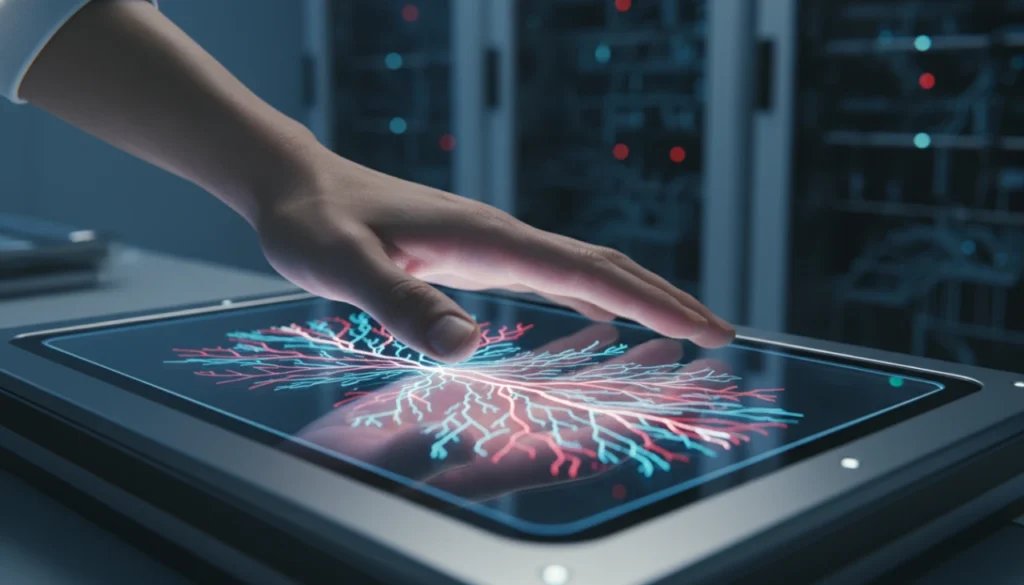
Understanding how this system works helps you see why it is so effective at identifying you. Below are the specific steps the hardware takes to verify your identity using internal biology.
Utilization of Near-Infrared (NIR) Light
The sensor starts the process by projecting a light that you cannot see with your eyes. This light is safe for your skin but strong enough to penetrate the outer layer of your palm. It looks for what is happening beneath the skin rather than just scanning the outside of your hand.
This light specifically targets the area where your veins are located. Because it is not visible light, it works well in different lighting environments, including late at night. You do not need a bright porch light for the scanner to see your palm clearly and grant you entry.
The sensors are designed to be precise so they do not capture unnecessary data from the surroundings. They focus entirely on the small space just a few inches in front of the door lock. This ensures that the system is ready to read your hand the moment you move it into position.
Hemoglobin Mapping
As the light enters your hand, it reacts with the blood flowing through your veins. Specifically, the deoxygenated hemoglobin in your blood absorbs the infrared light. This creates a clear contrast between your veins and the surrounding tissue of your hand.
The sensor sees this contrast as a dark pattern that is unique to you. No two people have the same vascular structure, even if they are identical twins. This provides a biological signature that is much more complex and harder to replicate than a fingerprint or a facial scan.
This process happens in a fraction of a second inside the processor of the lock. It identifies the exact thickness, branching, and position of your veins. The result is a highly detailed map that remains hidden from the outside and cannot be seen by the human eye.
Generating a 3D Biometric Key
Once the sensor captures the vascular pattern, the lock converts that information into a mathematical template. This is a long string of numbers that represents your unique hand structure. It is this code, rather than a picture of your hand, that the lock uses to verify who you are.
This mathematical method makes the system incredibly fast and efficient. The lock compares the code it just generated with the one stored in its secure memory. If the numbers match, the bolt moves and the door opens for you immediately.
Because the system creates a three-dimensional representation, it is much more accurate than older two-dimensional scanners. It understands depth and the physical volume of your hand. This reduces the chances of a mistake and ensures only you can get inside your house.
Contactless Interaction
You do not have to touch any part of the hardware to gain entry to your home. By simply holding your hand a few inches away from the sensor, you trigger the scanning process. This creates a smooth experience that feels more natural than pressing a finger against a glass panel or turning a physical key.
This distance also helps the sensor get a wider view of your palm. It can see the entire vascular network at once rather than just a small portion of a fingertip. This broad view is part of why the technology is so reliable for different users.
The hover mechanic is also helpful when your hands are full with bags or groceries. You only need to present your palm for a brief moment to get a response from the door. It removes the need for precise placement that often slows down other biometric locks.
Real-Time Liveness Detection
One of the strongest features of this system is its ability to detect if the hand is part of a living person. Because it relies on the absorption of light by flowing blood, it cannot be fooled by an object that lacks a pulse. This adds a physical check that surface-level biometrics cannot provide.
This prevents many types of common security bypasses. A high-quality photo or a prosthetic hand will not have the hemoglobin necessary to absorb the infrared light correctly. The lock simply ignores anything that does not show signs of active blood flow.
This creates a high level of confidence in the security of your home. You know that even a very skilled person with a replica of your hand would fail to get past the sensor. It is a biological lock that requires you to be physically present to work.
5 Reasons Why Palm Recognition Trumps Fingerprint Scanners
While fingerprints were a good start for keyless entry, they have many limitations that palm sensors solve. Here are the main advantages of choosing a hand-based system for your residence.
Immunity to Surface Conditions
Fingerprint scanners often struggle when your skin is not perfectly clean and dry. If you are coming inside from the rain or if your hands are sweaty from a workout, the scanner might fail to read your print. This often leads to multiple attempts and frustration when you are trying to get inside quickly.
Palm recognition does not have this problem because it looks beneath the skin. Moisture, dirt, or grease on the surface of your hand does not block the infrared light from reaching your veins. The system works just as well when your hands are wet as it does when they are dry.
This makes the technology much more dependable for daily use in all types of weather. You can trust that the door will open on the first try regardless of what you have been doing with your hands. It removes one of the biggest complaints people have with traditional smart locks.
Resistance to Physical Aging
Your fingerprints can change or wear down over time due to age or manual labor. If the ridges on your skin become less distinct, a fingerprint scanner will have a harder time identifying you. This can make these locks less effective as you get older or if you work with your hands a lot.
Vein patterns are different because they stay stable throughout your adult life. The internal structure of your hand does not wear away like the surface of your skin. This means the lock will recognize you ten years from now just as easily as it does today.
You do not have to worry about re-enrolling your hand every few years to keep the system working. The internal map provides a permanent biological key that is resistant to the effects of time. It is a long-term solution for home security that grows with you.
Enhanced Hygiene and Wellness
In a world where people are more aware of germs, a touchless interface is a major benefit. Traditional keypads and fingerprint scanners require every person who enters the home to touch the same surface. Over time, these surfaces can collect bacteria and viruses that you then bring into your house.
Palm recognition allows you to open your door without ever making physical contact with the lock. You simply wave your hand in front of the sensor to gain entry. This keeps the hardware clean and reduces the spread of germs among your family and guests.
This touchless method is also easier to maintain. You do not have to constantly wipe down a fingerprint sensor to keep it working properly. It provides a cleaner way to manage your home security while keeping your hands free of unnecessary contact.
Higher False Rejection Rates (FRR) Stability
Many users find that fingerprint locks have a high rate of false rejections, meaning the lock fails to recognize an authorized person. This often happens because the finger was placed at a slight angle or because the sensor is small. These failures are annoying and can make you feel less secure in your own home.
Palm scanners offer much better stability because the scanning area is so much larger. The system has more data to work with, which leads to a much higher success rate on the first attempt. You rarely have to try more than once to get the lock to respond.
This consistency builds trust in the technology. You can rely on the lock to work every time you arrive home, even if you are in a hurry. The stable performance makes it a superior choice for anyone who wants a hassle-free entry experience.
Superior Speed and Convenience
Using a palm scanner is often faster than using a fingerprint or a traditional key. You do not have to stop and carefully place a specific finger on a small circle. The sensor can read your palm while your hand is still in motion as you move toward the door.
This grab-and-go nature fits perfectly into a busy lifestyle. You can trigger the lock while you are still reaching for the door handle. It cuts down the time you spend standing on your porch, which is especially nice during cold or rainy weather.
The convenience extends to everyone in your home, including guests. Once you enroll a person, they can use the system with very little instruction. It is an intuitive way to manage access that feels modern and efficient.
Why Palm Recognition Smart Locks are More Secure
It is quite easy for someone to find a fingerprint on a glass or a phone and create a copy of it. Your palm veins are hidden under your skin, making it impossible for anyone to see or copy the pattern from a distance. This internal nature provides a layer of defense that surface-level traits simply cannot offer to a homeowner.
You cannot fool these scanners with a high-resolution photo or a static model of a hand. The infrared sensors require the movement of blood and the specific light absorption that only a living person provides. This means your door stays closed to any attempt at using fake replicas or digital images to trick the system.
The data collected by the lock is protected by high standards, such as AES-256 encryption. The system does not store an actual image of your hand but a mathematical string that is useless to a thief. Even if someone were to access the hardware, they would find nothing but scrambled code that cannot be reversed into a usable image.
Inclusivity in Biometric Home Security
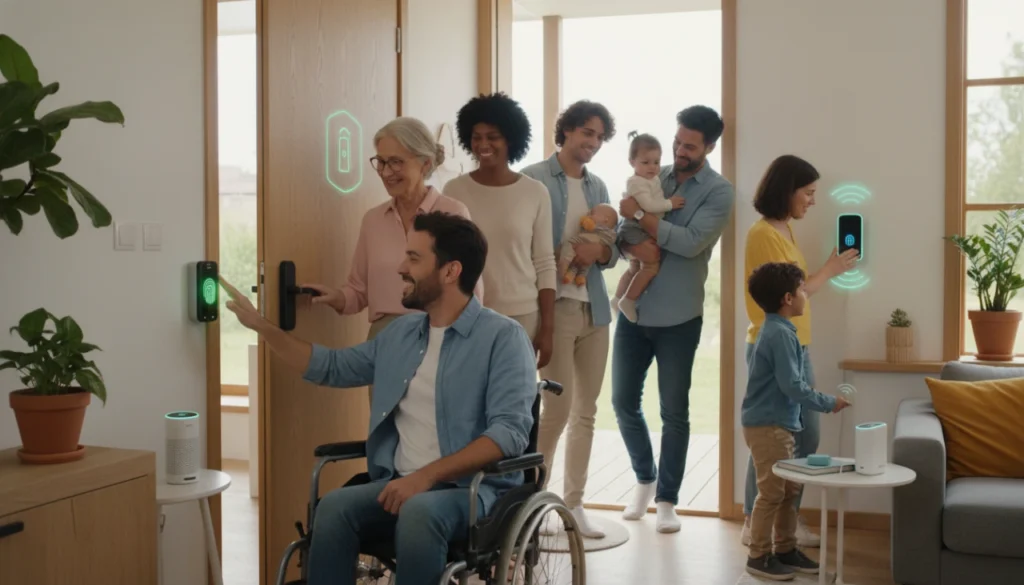
Young family members often have trouble with fingerprint scanners because their fingers are small and their prints are still forming. A palm scan provides a much larger area for the sensor to read, making it far more reliable for kids coming home from school. This ensures they can get inside safely without multiple failed attempts that might leave them stuck outside.
As people get older, their skin often becomes thinner and fingerprints can lose their distinct ridges. Palm vein patterns remain clear and easy to read regardless of the texture of the skin surface. This makes the technology a great choice for seniors who might otherwise struggle with traditional biometric systems that require clear skin patterns.
If you spend your day working with your hands, you might have calluses or dirt that interfere with a fingerprint reader. Palm recognition ignores these surface issues because it looks through the skin rather than at it. Whether you are coming home from the gym or a construction site, the lock recognizes you immediately without needing you to wash your hands first.
5 Best Smart Deadbolts Featuring Palm Recognition in 2025
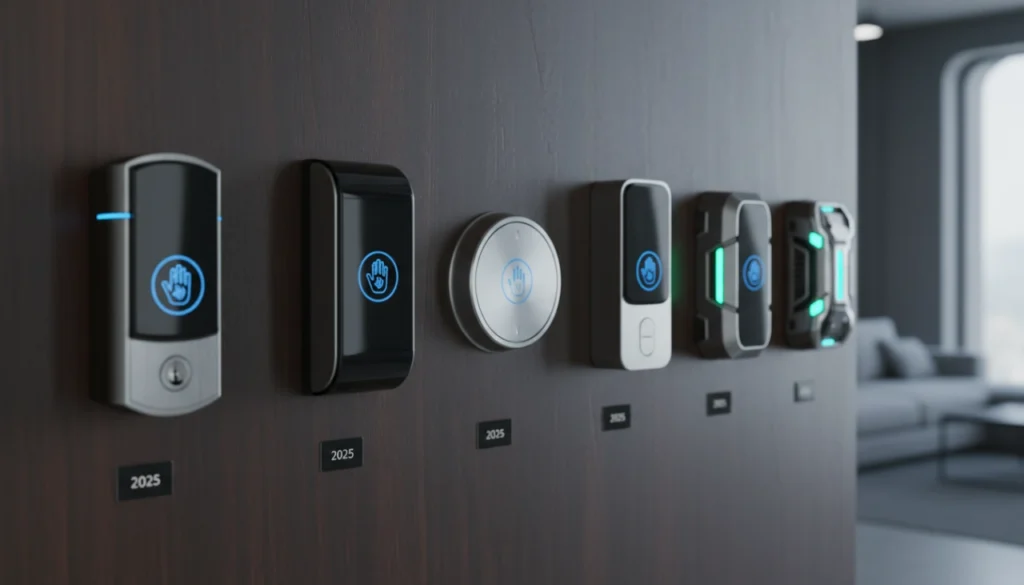
Several manufacturers are leading the way with devices that integrate this technology into your daily life. Below are some of the most reliable models available for your home right now.
Philips 5000 Series
This model is a strong choice for those who want a complete security solution for their front door. It features an integrated doorbell, so you can see and speak to visitors through your phone. The palm sensor is located in a convenient spot that allows for quick entry as you reach for the handle.
The proximity sensors in this lock are very sensitive, so the system wakes up as soon as you get close. You do not have to press any buttons to start the scanning process. This makes the entry experience feel very natural and fast.
It also integrates well with other smart home systems, allowing you to monitor your door from anywhere. The design is sleek and modern, fitting in well with most home styles. It is a reliable option for anyone looking to upgrade their entry system.
Eufy S3 Max
The Eufy S3 Max is known for its incredible accuracy and high data-point capture. It records more than 50,000 unique points on your palm, which is much more than what a standard fingerprint scanner collects. This high level of detail makes it one of the most secure locks on the market.
It has a very high success rate, meaning it almost always recognizes authorized users on the first try. You can store many different palm profiles, making it suitable for large families or small offices. The battery life is also impressive, lasting for many months on a single charge.
This lock is a great choice if you prioritize technical precision and reliability. The software is easy to use and provides clear updates on who is entering and leaving your home. It offers a premium feel that matches its advanced security features.
TP-Link Tapo PalmKey
If speed is your main concern, this model is one of the fastest available. It can recognize a palm and open the door in less than 0.33 seconds. This makes it feel almost instant, removing any waiting time at your front door.
The storage system for this lock is designed with financial-grade security in mind. All your biometric data stays on the local hardware, ensuring it is safe from online threats. It gives you the benefits of a connected device without the privacy risks of cloud storage.
It also works with the wider Tapo ecosystem, allowing you to connect it with other cameras and sensors. This makes it a good starting point if you want to build a unified smart home. The installation is simple, making it a favorite for those who like to do things themselves.
TCL D1 Pro
The TCL D1 Pro combines a high-quality 2K camera with palm vein technology. This gives you total awareness of your porch while also providing secure entry. You can check the video feed at any time to see who is at your door, even when you are not home.
The palm scanner is built into a compact body that looks very professional on your door. It handles different lighting conditions well, ensuring the camera and the scanner work at all times. It is a versatile tool for both security and convenience.
Many users appreciate the clear video quality and the easy-to-use mobile app. The combination of visual monitoring and vascular biometrics provides two layers of protection. It is a solid choice for homeowners who want to keep a close eye on their property.
Lockin V7 Max
This lock is a premium model that uses a multi-modal way to identify you. It combines palm vein scanning with 3D Face ID, giving you two different ways to enter without using your hands. This redundancy ensures you can always get inside, even if one system is blocked.
The materials used in this lock are very high quality, giving it a durable and expensive feel. It is designed to withstand the elements while maintaining its high-tech performance. The integration of two different biometric systems makes it one of the most advanced options available.
It is perfect for those who want the very best in home security technology. The system is smart enough to know which method is best to use at any given moment. While it is a larger investment, it offers a level of convenience and safety that is hard to beat.
Addressing Privacy Concerns and Data Handling

Privacy is a top priority when you use biometric data to secure your home. The best brands ensure that your sensitive information never leaves the hardware itself. By keeping the data on the device rather than sending it to a remote server, companies prevent the risk of a massive data breach affecting your personal security.
The map created during your enrollment is processed into a complex code that cannot be turned back into a picture of your hand. If someone were to look at the storage, they would see a series of numbers rather than a biometric image. This ensures that your identity remains private even in the unlikely event of a hardware problem.
Manufacturers are now following strict international guidelines to ensure they handle your information with care. They design these products to give you control over your data, allowing you to delete your profiles at any time. This commitment to transparency helps you feel confident that your home security is not coming at the cost of your privacy.
The Future of the Palm Recognition Smart Lock

New smart locks are being designed to talk to all your other devices through common protocols. This means your palm lock can work with your lights and cameras regardless of which brand you prefer. It creates a unified experience where your home prepares for your arrival the moment you wave your hand at the door.
The industry is also moving toward new standards that help different security products work together more reliably. This will make it easier for you to manage your access permissions across various platforms. You will no longer be locked into a single brand’s system when you want to add new features to your home.
While these locks are currently a premium choice, the price is expected to drop as more people start using them. As the infrared sensors become more common, you will see a decrease in the cost of these units. By 2026, this technology will likely be an affordable option for a much wider group of homeowners.
What to Consider Before Buying
You should be aware that these locks often have a larger physical size on your door compared to a standard deadbolt. The technology requires more sensors and a larger scanning window, which results in a more prominent look. If you prefer a very minimal or small lock, the current palm-based models might feel a bit bulky.
There is also a small adjustment period when you first start using a palm scanner at your home. You have to find the right distance and angle to hold your hand for the sensor to get a clear read. While most people learn this within the first few days, you might have a few slow entries during your first week of use.
At this moment, these devices sit at the higher end of the market price range. You are paying for a premium sensor and advanced security features that are not found in budget models. If you have a very tight budget, you may need to decide if the added reliability and hygiene are worth the extra cost for your family.
Best Practices for Installation and Maintenance

When you install your lock, you should consider the environment around your front door. Avoid placing the sensor in a spot where it will face extremely harsh, direct sunlight for most of the day. While the infrared sensors are strong, consistent glare can sometimes make it harder for the scanner to read your palm quickly.
These locks use more energy than a simple keypad because they have to power infrared lights and complex computer chips. You will find that many of these models come with rechargeable battery packs rather than standard alkaline batteries. It is a good idea to keep a spare pack ready so your door is never without power when you need to get inside.
For the best results, you should enroll both of your hands and have every family member do the same. Scanning your hand from a few different angles during the setup will help the lock recognize you even if your placement is not perfect. This ensures that you can always get inside your home, even if your hands are full of items.
Final Word: Is Palm Recognition Right for Your Home?
This technology provides a great mix of high security, better hygiene, and extreme reliability for your home. It solves many of the problems that made earlier smart locks difficult or frustrating to use. If you want a door that opens for you without ever needing to touch a surface, this is a perfect solution.
While it is a premium investment today, it is clearly the direction that home security is moving for everyone. As fingerprints and keypads become less common, palm recognition is becoming the standard for the modern residence. If you are building a new smart home, this technology is a strong choice that will stay useful for a long time.
Before you buy, make sure to check if the lock you want works with your existing smart home hub. Look for models that support the newest industry standards to ensure your investment works well with your other devices. Your move to a more secure and convenient home is just a wave of the hand away.
